Preparing for the Renters' Right Act: Enhancing Tenant Communication and Understanding Section 13


Understanding the Renters' Right Act
The Renters' Right Act is a pivotal piece of legislation designed to enhance the rights and protections of tenants. For landlords and property managers, understanding and implementing the changes brought about by this act is crucial. One of the primary aspects of this act is improving communication with tenants, ensuring they are well-informed about their rights and responsibilities.
Enhancing Tenant Communication
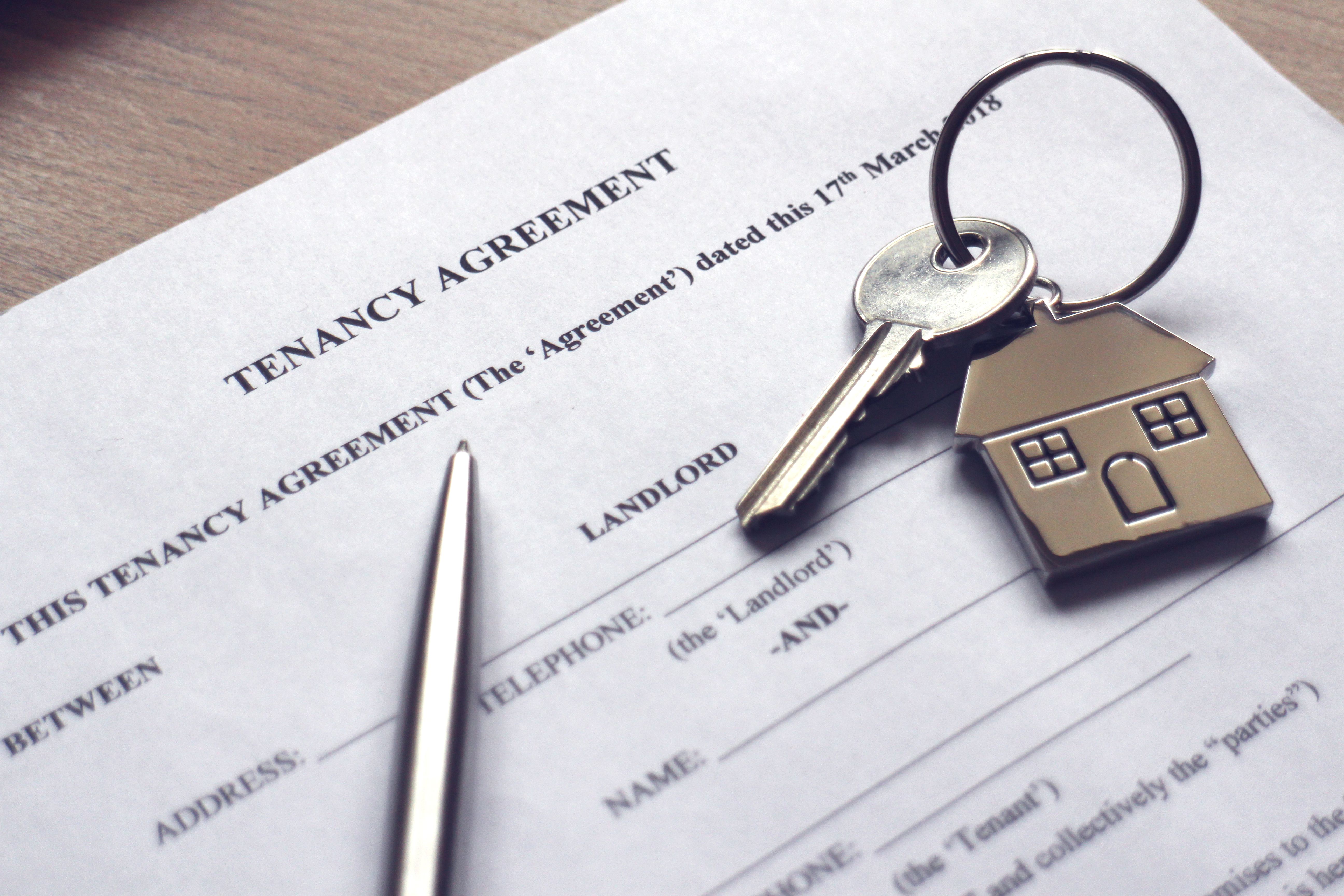
Effective communication is the cornerstone of a successful landlord-tenant relationship. With the introduction of the Renters' Right Act, it's more important than ever to maintain open and transparent communication channels. This can be achieved through regular updates, newsletters, or even a dedicated online portal where tenants can access important information.
Landlords should consider utilising digital communication tools to provide tenants with timely updates. This includes email notifications about upcoming inspections, changes in building policies, or any maintenance work. Additionally, hosting regular tenant meetings can foster a sense of community and provide a platform for addressing any concerns.
Understanding Section 13
One of the key components of the Renters' Right Act is Section 13, which focuses on rental agreements and adjustments. This section outlines the procedures for rent increases, ensuring they are fair and transparent. Landlords must provide tenants with written notice of any proposed changes, including the rationale behind the adjustments.
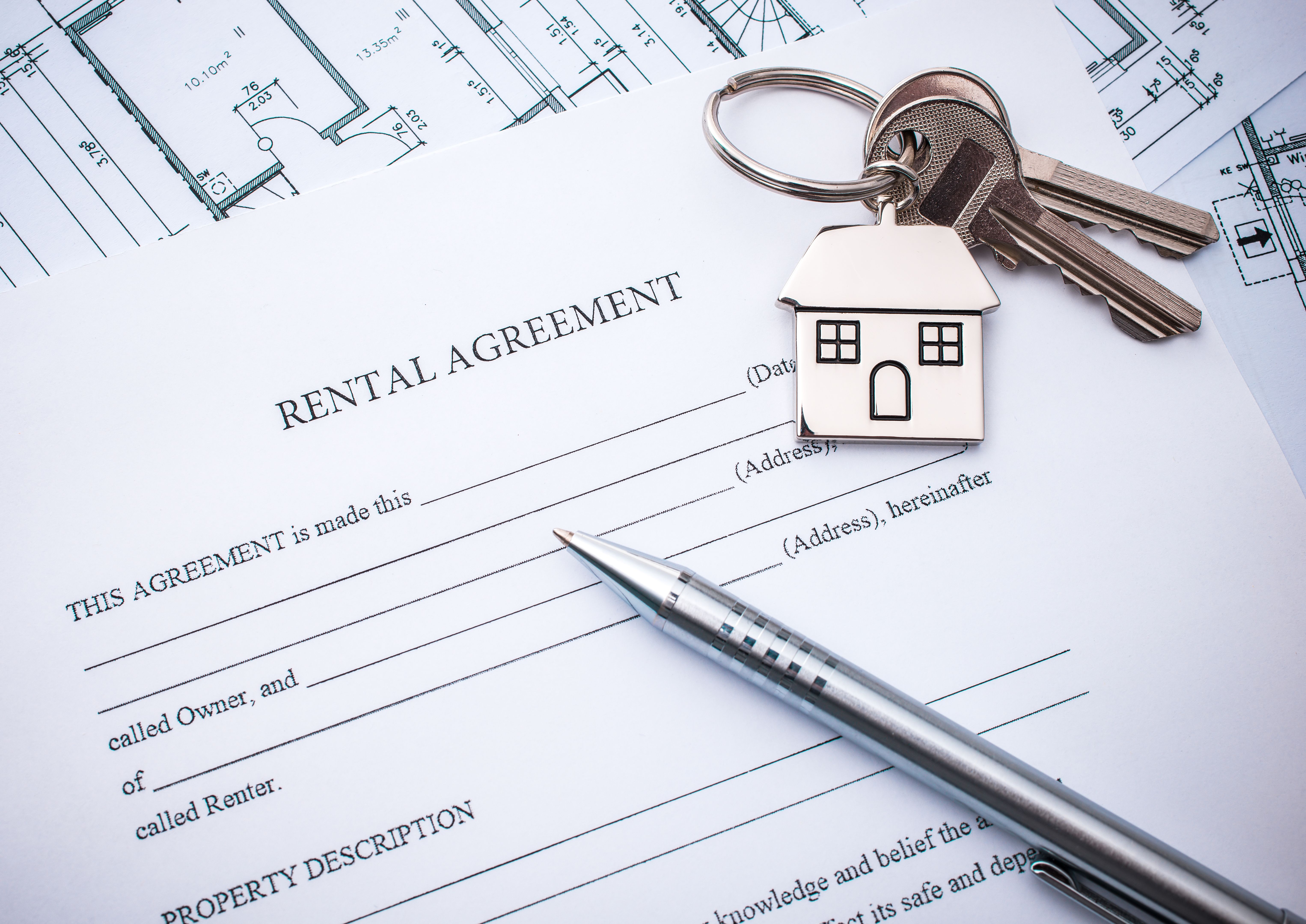
Section 13 also mandates that rental agreements include detailed information about the property and any associated costs. Landlords should review existing contracts to ensure compliance with these new requirements. This not only protects the landlord but also builds trust with tenants by demonstrating a commitment to fairness and transparency.
Steps to Prepare for Compliance
Preparing for the Renters' Right Act involves several steps. Here’s a checklist to guide landlords and property managers:
- Review and update all rental agreements to align with the new regulations.
- Set up a system for regular communication with tenants.
- Educate staff and management on the provisions of the Renters' Right Act.
- Ensure all notices and communications are documented for future reference.
Benefits of Proactive Preparation
Taking proactive steps to comply with the Renters' Right Act offers numerous benefits. Not only does it minimize the risk of legal disputes, but it also enhances tenant satisfaction and retention. Tenants are more likely to renew their leases when they feel their rights are respected and their concerns are addressed promptly.

Furthermore, a well-implemented communication strategy can lead to a more harmonious living environment, reducing disputes and fostering a positive community atmosphere. By prioritizing tenant needs and staying informed about legislative changes, landlords can create a thriving rental environment.
🤝 Get peace of mind. Let EssexPropHub.co.uk handle your Section 13 obligations and tenant communications. Enquire now by calling 01206 580138.