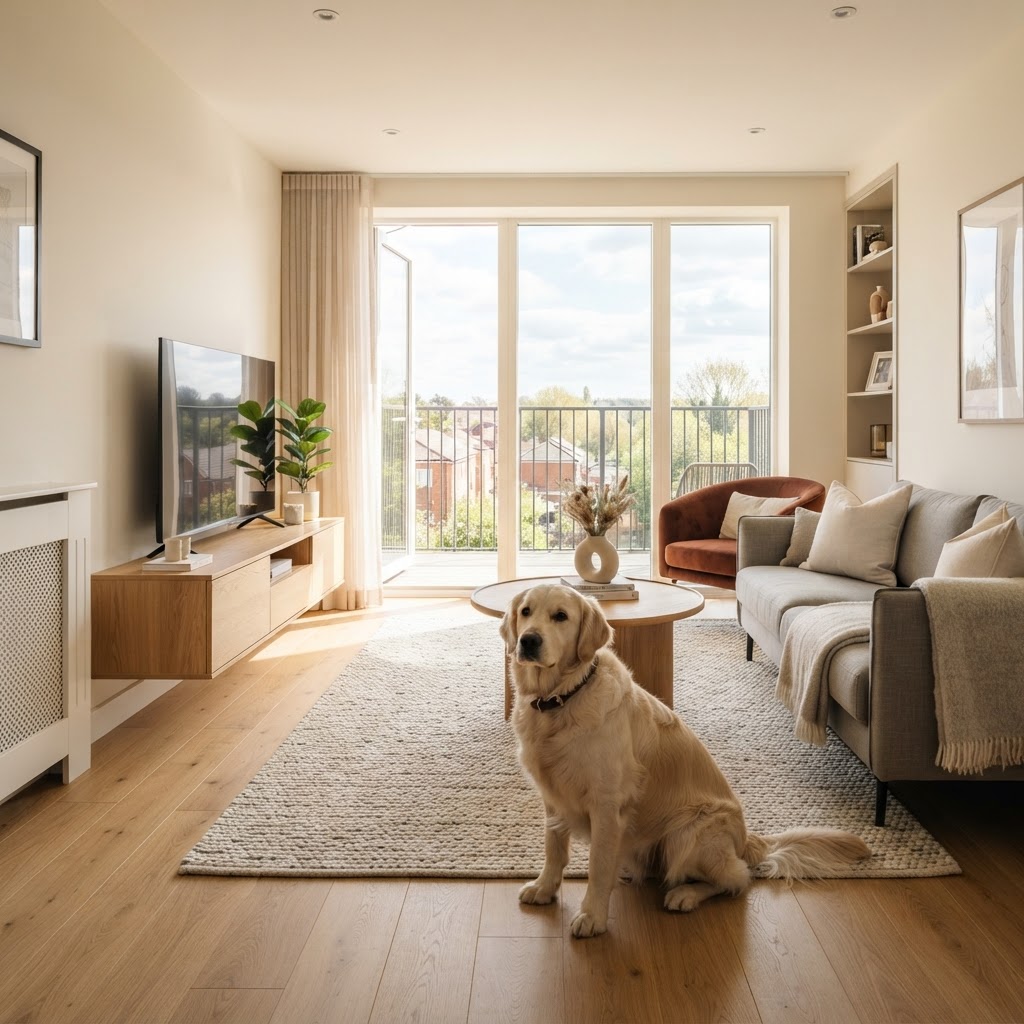
Pets in Rentals: A Guide for Colchester Landlords in 2026
Understanding the New Landscape for Pets in Rentals
Since the Renters' Rights Act came into force on 1 May 2026, the conversation around pets in private rented accommodation has shifted significantly. For landlords in Colchester and across Essex, the days of blanket 'no pets' policies are effectively over. While this change may feel like a loss of control, it is actually an opportunity to attract long-term, responsible tenants who view their pets as family members.
At EssexPropHub, we have seen a growing demand for pet-friendly housing. Understanding the legal framework is the first step to protecting your investment while remaining compliant with the new regulations.
The Legal Framework: What You Need to Know
Under the Renters' Rights Act, all private assured tenants now have a contractual right to request permission to keep a pet. This is an implied term in every tenancy agreement, meaning it applies regardless of what your original contract might state.
The Request Process
It is important to note that this right is not an automatic 'yes' to any animal. The process is structured to ensure fairness for both parties:
- Written Request: The tenant must submit a formal request in writing, including a description of the pet (e.g., breed, age, size).
- The 28-Day Rule: You have 28 days from the date of the written request to provide a response in writing.
- Requesting Further Information: If you need more details to make an informed decision, you can ask for them. Once the tenant provides this information, you have seven days to issue your final decision.
- Superior Landlord Consent: If your property is a leasehold and the head lease restricts pets, you must seek consent from your superior landlord. You can delay your response to the tenant until seven days after you receive a decision from the freeholder.
"The Renters’ Rights Act hasn't removed your ability to refuse where it's genuinely justified; it has replaced an automatic 'no' with a fair, evidence-based process." — NRLA Guidance, 2026
When is Refusal 'Reasonable'?
While you cannot refuse a request simply because you dislike animals, the law allows for reasonable refusal. You must assess each request on its own merits. Common grounds for a reasonable refusal include:
- Property Suitability: A large dog in a small, carpeted studio flat in Colchester town centre may be deemed unsuitable.
- Health Concerns: If you or other tenants in a shared house have documented animal allergies, this is a valid reason to decline.
- Leasehold Restrictions: If your head lease explicitly forbids pets, you are legally protected in refusing the request.
- Illegal Animals: Any animal that is prohibited by law cannot be permitted in your property.
Conversely, refusing because you are worried about potential future damage or because you have had a bad experience with a previous tenant is generally considered unreasonable. Each case must be judged on the specific pet and the specific property.
How to Say 'Yes' Safely
If you are hesitant about allowing a pet, there are practical steps you can take to mitigate risk and ensure your property remains in good condition.
1. Implement Clear Cleaning Obligations
Many landlords find that requiring a professional deep clean at the end of the tenancy provides peace of mind. Ensure this is clearly documented in your pet agreement.
2. Use a Detailed Pet Agreement
Don't just say 'yes' verbally. Create a supplemental pet agreement that outlines expectations, such as noise control, waste disposal, and responsibility for any damage caused by the animal. This sets a professional tone from the start.
3. Focus on Responsible Ownership
Ask for references from previous landlords regarding the pet's behaviour. A tenant who can demonstrate that their pet is well-trained and has lived in previous rentals without incident is a much lower risk.
Conclusion: Embracing the Change
While the 2026 legislation requires a change in mindset, it does not mean you are powerless. By following the 28-day response window and assessing each request fairly, you can maintain a professional relationship with your tenants. In the competitive Colchester market, being a 'pet-friendly' landlord can often lead to longer tenancies and lower void periods. If you are unsure how to handle a specific request, our team at EssexPropHub is here to guide you through the process.